Epsom Magazine is a new publication dedicated to covering the stories, events, and issues that matter to residents of this historic Surrey town. Situated fourteen miles south of central London, Epsom offers a distinctive blend of heritage, community spirit, and modern amenities that make it one of the most sought-after places to live in the South East.
A Town Steeped in History
Epsom’s name traces back over a millennium. First recorded in the tenth century as Ebesham and appearing in the Domesday Book of 1086 as Evesham, the name derives from the Saxon Ebba's ham, meaning Ebba’s settlement, or possibly from the Old English ebbe, referencing the intermittent springs that characterise the local geography.
The town’s most famous historical chapter began in 1618 when farmer Henry Wicker discovered mineral-rich springs on Epsom Common. The waters contained magnesium sulphate, soon known worldwide as Epsom salts. Charles II became a regular visitor, and the diarist Samuel Pepys recorded visits in 1663 and 1667. The Assembly Rooms, constructed in 1692, cemented Epsom’s status as a fashionable spa destination. The spa’s popularity waned in the 1720s amid the financial turmoil of the South Sea Bubble and competition from Bath and Tunbridge Wells, yet the town’s reputation endured.
The Home of British Racing
Epsom Downs Racecourse has shaped the town’s identity since the first recorded race in 1661. The Derby, established in 1780, and The Oaks, founded in 1779, remain among the most prestigious flat races in the world. The racecourse’s history includes the infamous 1913 Derby, when suffragette Emily Davison sustained fatal injuries after running in front of King George V’s horse, Anmer. A statue commemorating Davison was installed in Epsom High Street in 2021.
Modern racegoers benefit from facilities opened in 2009, including the Duchess’s Stand, which cost £23.5 million and increased capacity to 130,000. The Jockey Club Racecourses operates the venue, which was renamed the Queen Elizabeth II Stand in 2022.
Connectivity and Commuting
Epsom’s railway station, opened in its current form in 1859, places London within easy reach. Located in fare zone 9, the station handles 3.342 million passenger journeys annually as of 2024–25. Southern operates two trains per hour to London Victoria and two to London Bridge, whilst South Western Railway provides two services per hour to Waterloo. Oyster pay-as-you-go has been accepted since February 2019, simplifying travel for commuters.
The town sits on the spring line where the chalk of the North Downs meets London Clay. This geological position gives rise to tributaries of the Hogsmill River and contributes to the area’s rolling landscape. At 155 metres above sea level, Epsom Downs represents the highest point in the locality.
Shopping, Culture, and Community
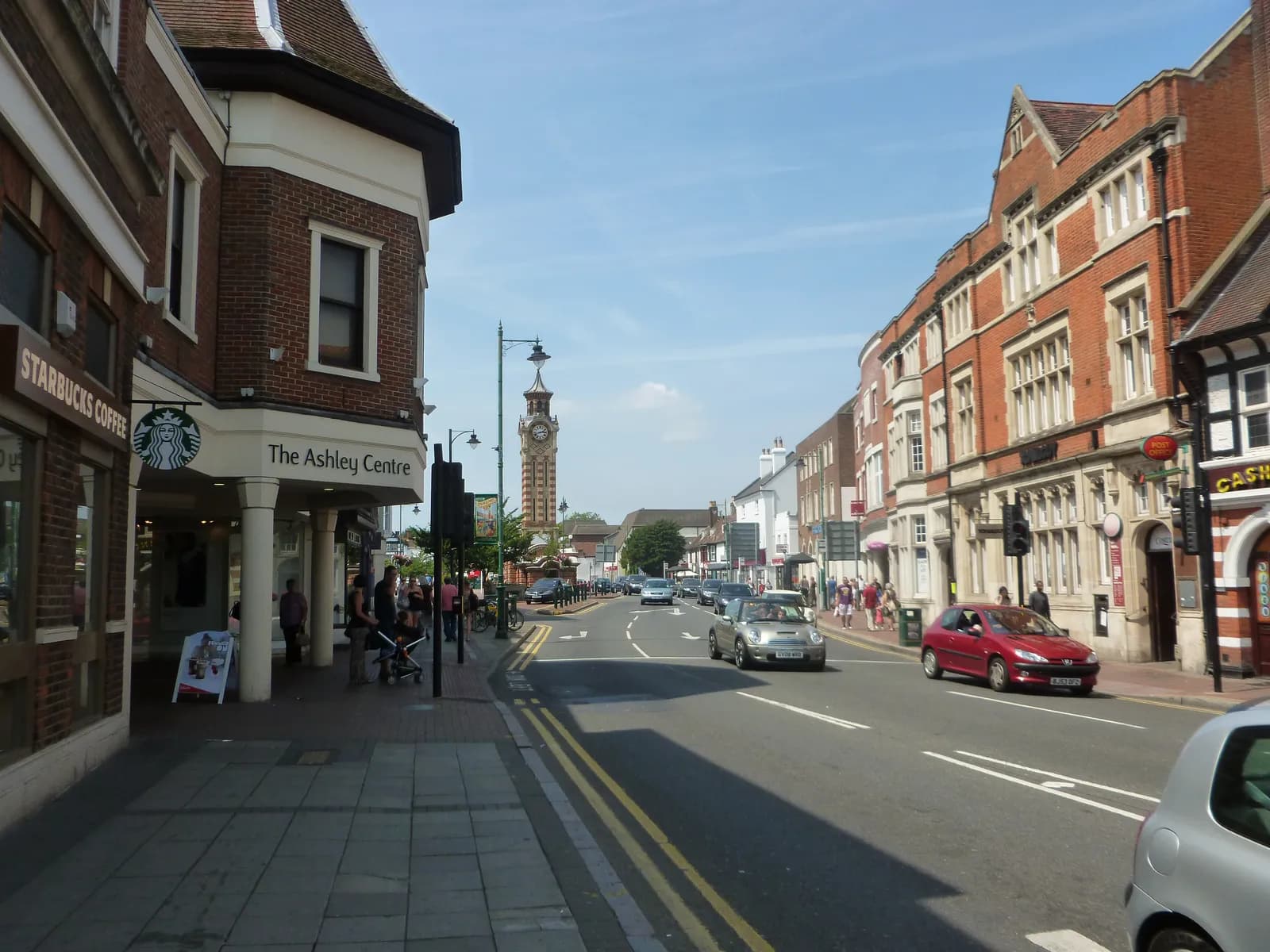
The Ashley Centre, opened by Queen Elizabeth II in October 1984, anchors the town’s retail offering. The development incorporates office space, a multi-storey car park, and the Epsom Playhouse, which features a 406-seat main auditorium and an 80-seat studio. Following a period under different ownership, the centre reverted to its original name in 2009.
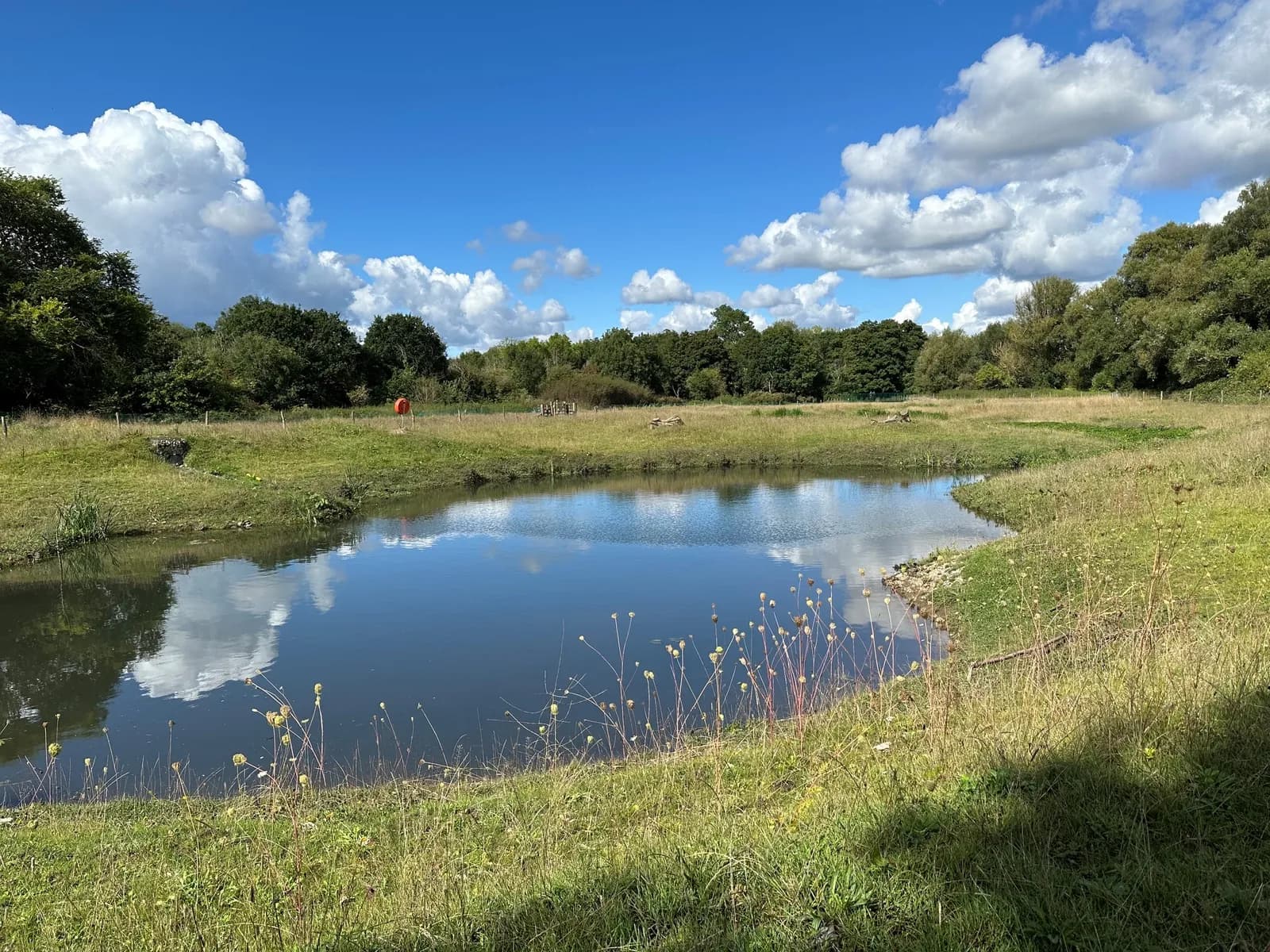
The Victorian Clock Tower, erected between 1847 and 1848, dominates the High Street and remains a familiar landmark for residents and visitors alike. Beyond the town centre, Epsom Common and Horton Country Park provide green space and nature reserves, protected since 1946 as part of the Metropolitan Green Belt.
Education and Healthcare
Epsom College, founded in 1853 as the Royal Medical Benevolent College and opened by Prince Albert in 1855, occupies a prominent position in local education. The co-educational independent school, which adopted Queen Victoria as patron from its inception, currently enrols 956 pupils. The college expanded internationally with a campus in Malaysia that opened in September 2014.
Epsom Hospital has served the community since its origins as an eight-bed cottage hospital in 1873. The current building opened in 1890 as a workhouse infirmary before joining the NHS in 1948. Now a teaching hospital affiliated with St George’s, University of London, it continues to provide accident and emergency services despite periodic concerns about reconfiguration. In 2019, part of the Dorking Road site was sold for £18 million to Legal & General for residential development.
What Epsom Magazine Will Cover
This publication will keep readers informed about local council decisions, planning applications, and community campaigns. We will report on the town’s thriving independent business scene, profile local residents making a difference, and provide practical information on transport, education, and healthcare.
Epsom’s population of 31,489 recorded in the 2011 census reflects a community that values its heritage whilst embracing change. Whether you have lived here for decades or arrived more recently, Epsom Magazine aims to be an essential resource for understanding and engaging with the town.